When to choose parquet micro-sanding in Milan
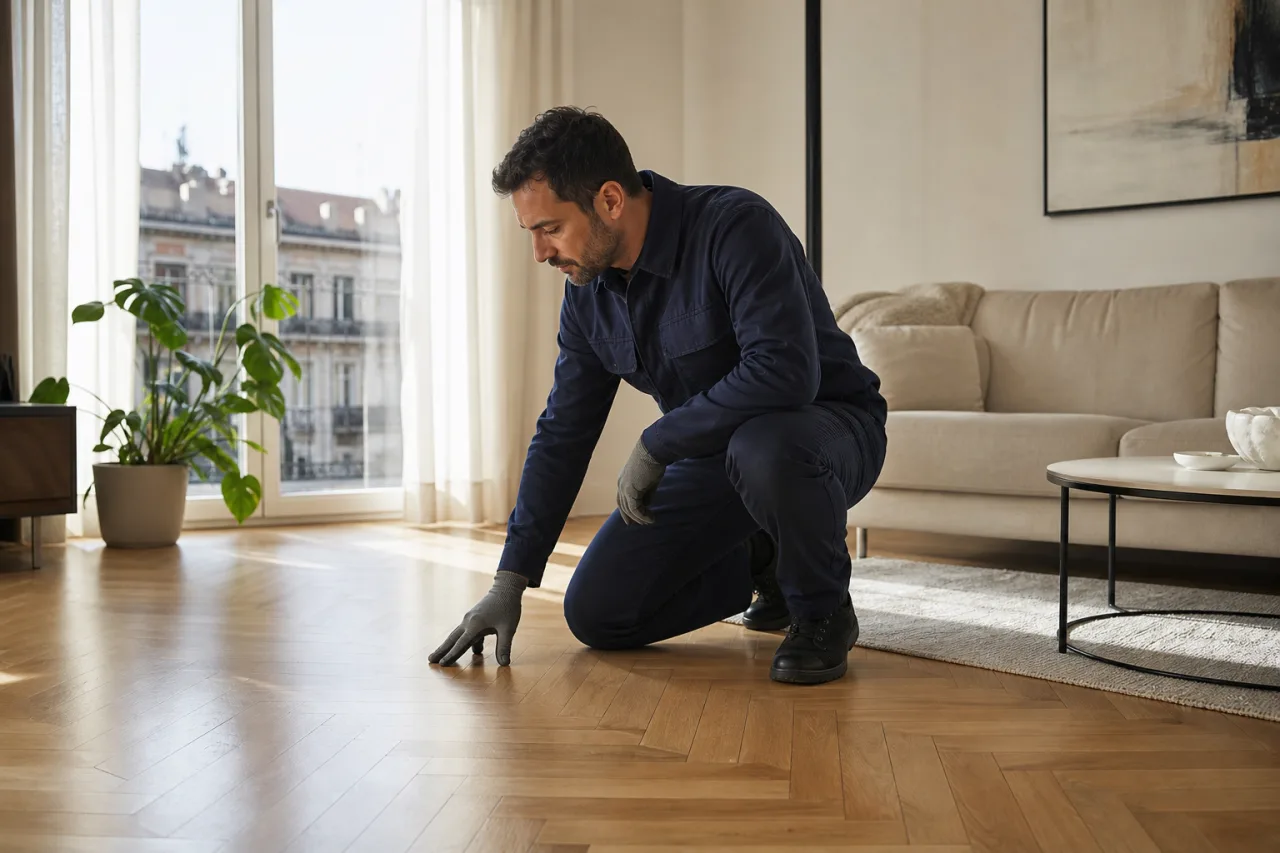
Parquet micro-sanding in Milan is the right choice when a floor looks dull, shows surface marks or is worn by daily use but has no deep damage. Traditional full sanding is needed for deep scratches, stains that have penetrated the wood or old finishes that must be removed. The decision depends on the usable thickness of the boards, the state of the wood and the result you want.
Parquet micro-sanding in Milan: how much wood is removed
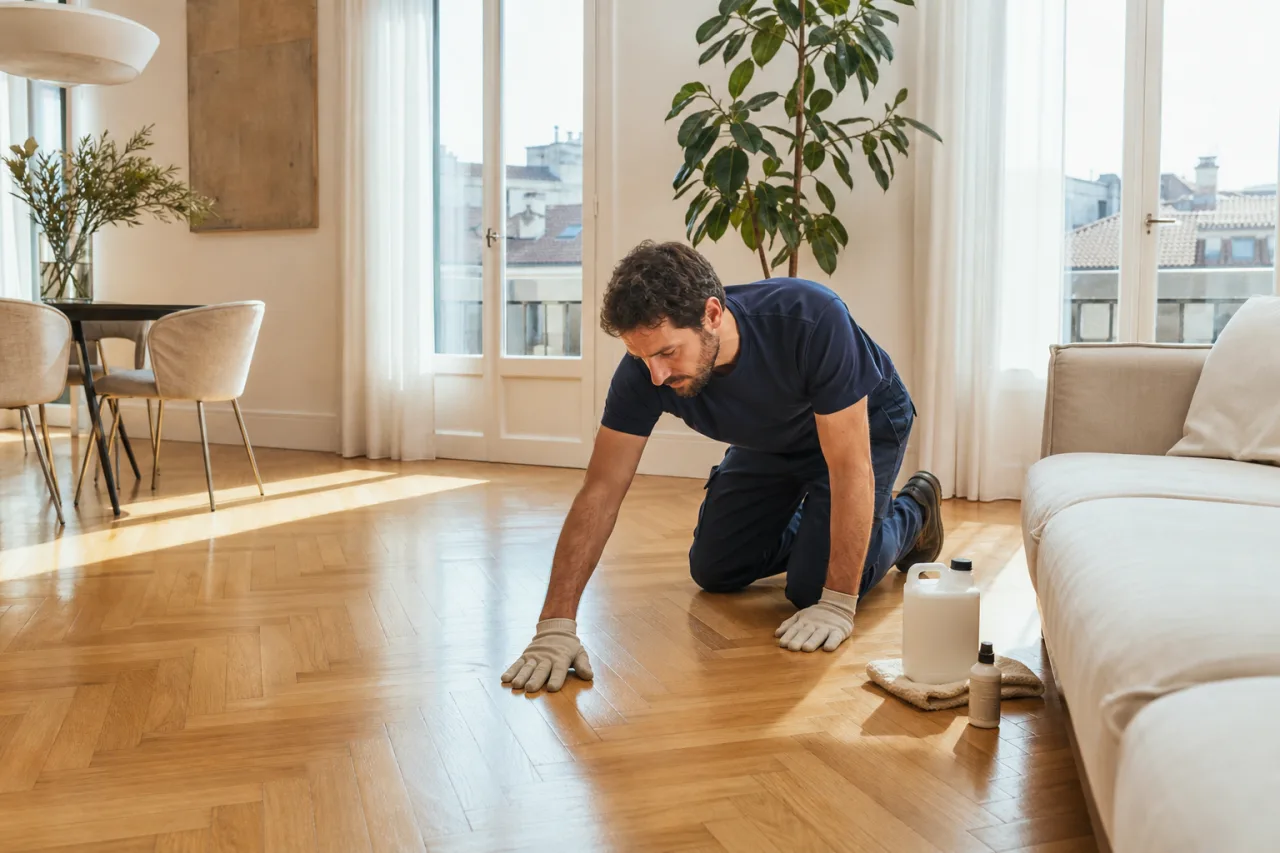
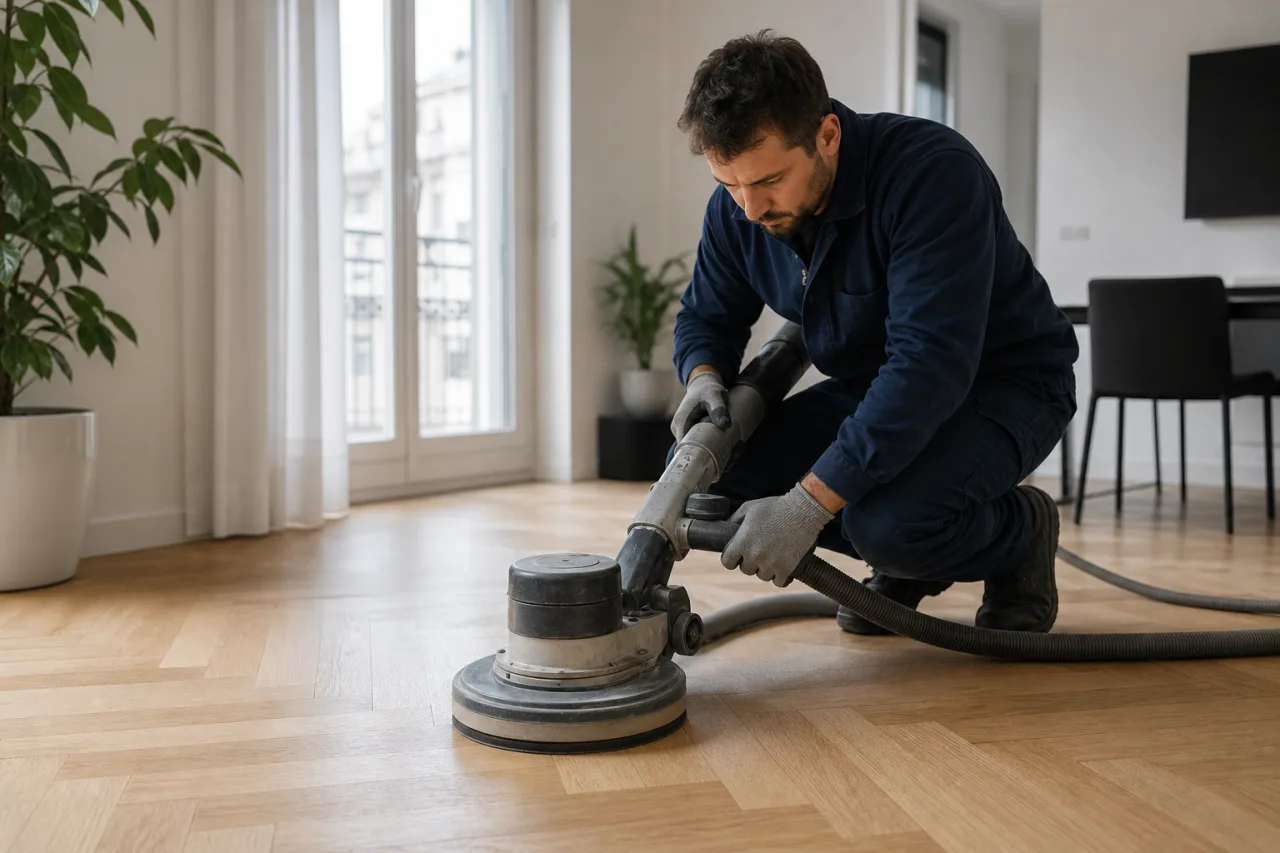
Micro-sanding removes only the very top layer of the finish. That preserves more wood, so it’s suitable for previously treated parquet or boards with limited remaining thickness.
Full parquet sanding goes deeper: it removes scratches, old varnishes and more obvious irregularities. Before starting, a professional will check the parquet type, board thickness and any loose slats.
When micro-sanding is enough — and when it isn’t
Choose micro-sanding if the parquet is generally even, without significant gaps, and you want to restore shine and protection. It’s useful after years of foot traffic, dragged chairs or small pet marks.
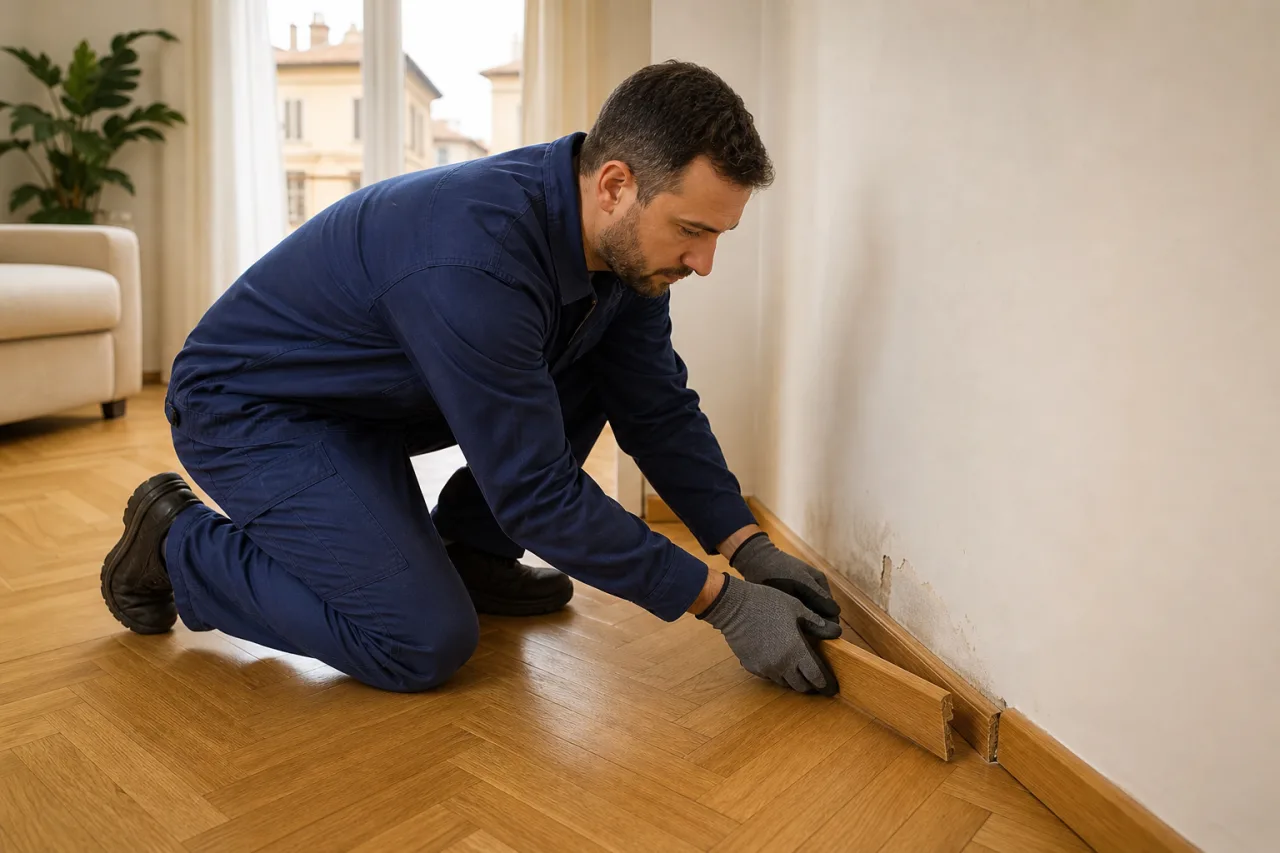
Opt for full sanding when there are deep scratches, dark stains, flaking varnish or visible differences between shaded and sun-exposed areas. If some boards move, consider a repair of damaged slats first.
Timing, dust and the final result
Micro-sanding is typically faster and less invasive because it works on the finish. After treatment, the parquet looks more uniform, cleaner and ready for a new protective coat.
Full sanding requires more steps and a final finish with varnish or oil. The result can be more transformative — making the floor look much newer — but it removes more material. To keep the effect over time, pair the work with a protective parquet treatment suited to the room’s use.
How to decide in an apartment in Milan
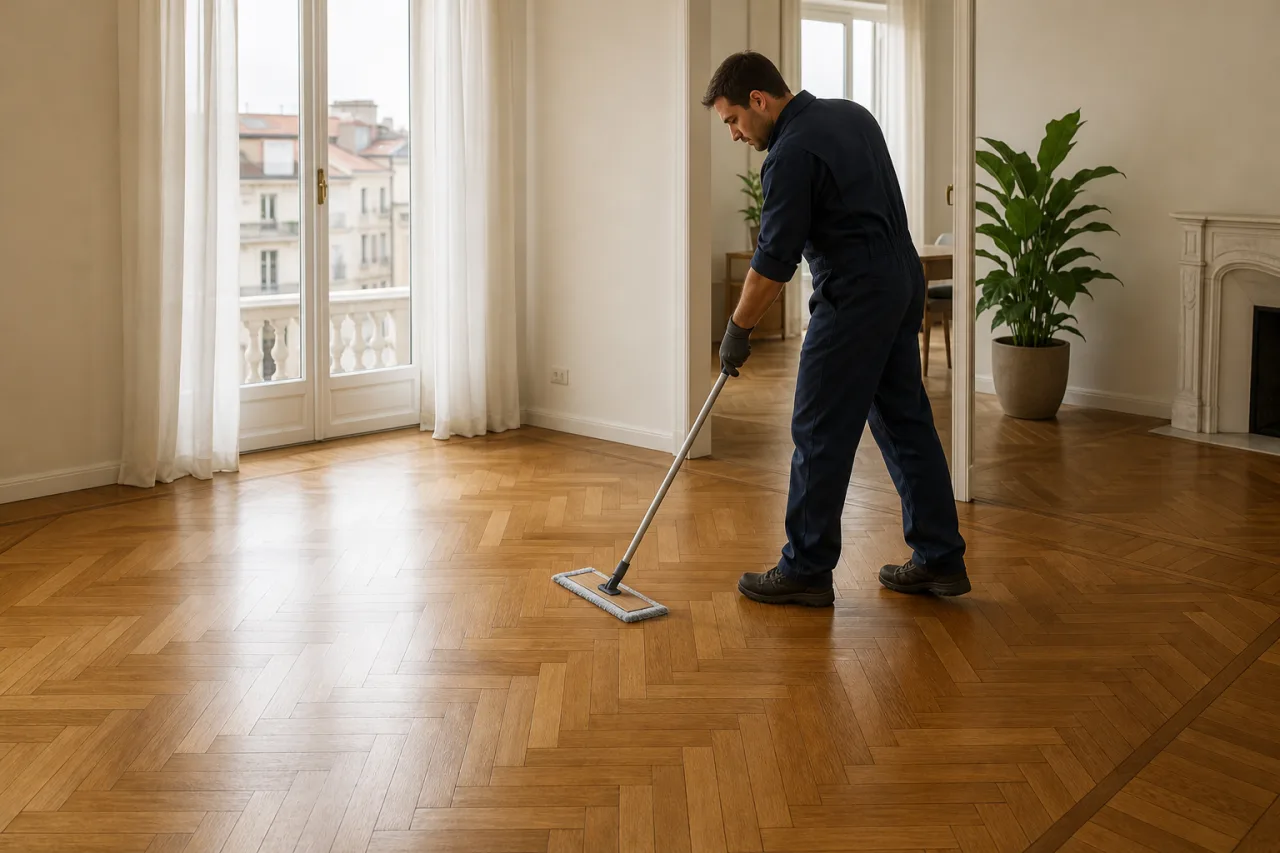
In Milan apartments you also need to consider access, condominium time rules, furniture to move and drying times. It’s often best to plan the job room by room, especially if you’ll be at home during the work.
If you’re unsure whether to polish, micro-sand or fully sand, the guide on parquet polishing in Milan can help. For larger jobs on wood, laminate or PVC floors, see the floors and parquet service.
Frequently asked questions
Does micro-sanding remove all parquet scratches?
No. It works well on superficial marks and on a dull finish. Deep scratches, stains that have penetrated the wood or obvious irregularities usually require a more complete sanding.
Do I need to varnish the parquet after micro-sanding?
Almost always a new protective coat — varnish or oil — is needed, depending on the parquet and the desired look. The final treatment helps protect the wood from wear, stains and humidity.
Can I micro-sand prefinished parquet?
It depends on the thickness of the top layer and previous work. Some prefinished floors can be treated carefully; others are better served by professional cleaning, polishing or protective treatments.
How long before I can walk on the parquet again?
That depends on the finish product used and your home conditions. The professional will advise when it’s safe to walk with care and when to replace furniture and rugs without risking marks.
Book via the Cura24h app and find a professional to assess your parquet in Milan. App Store · Google Play
Flooring & Parquet
Installation, sanding, polishing and repair of parquet, laminate, SPC and PVC.