Floor treatment in Milan: oil, wax or paint
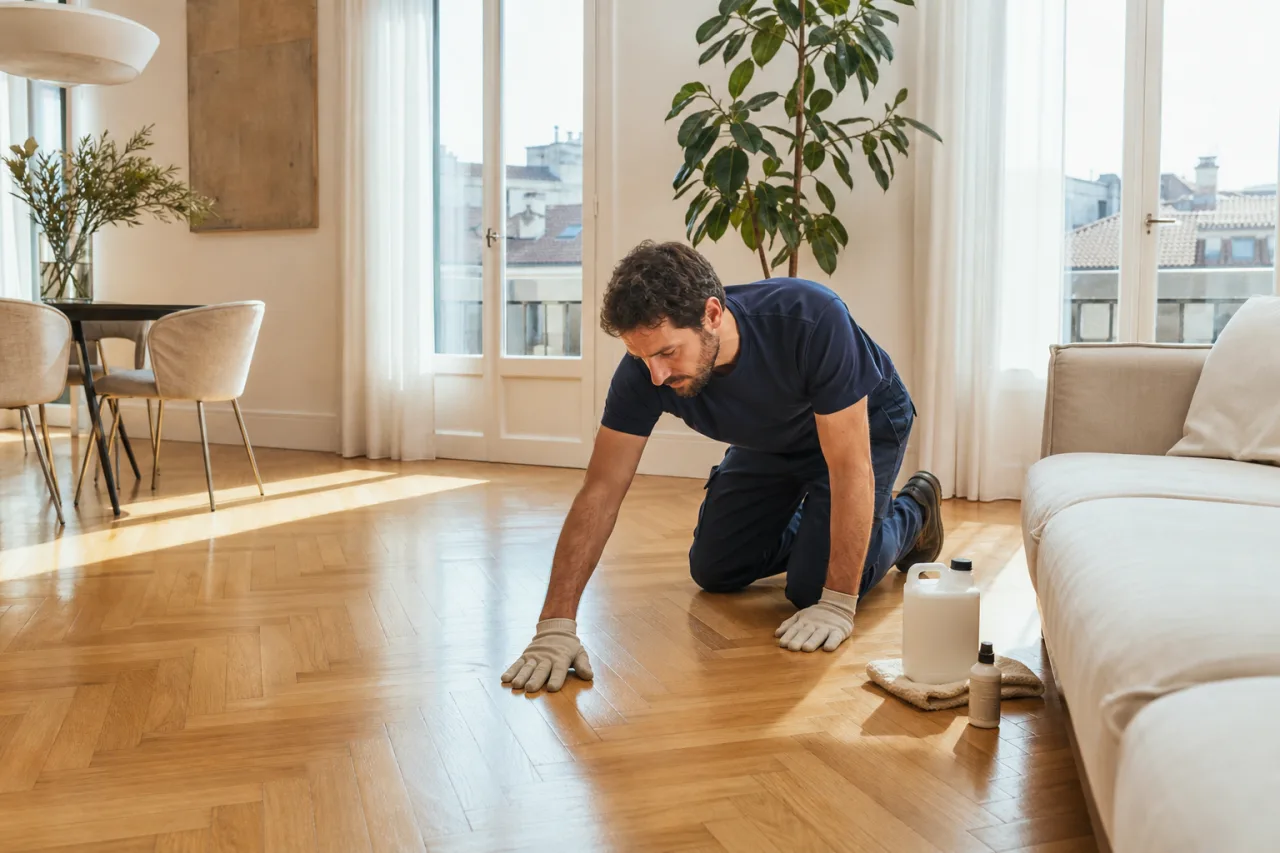
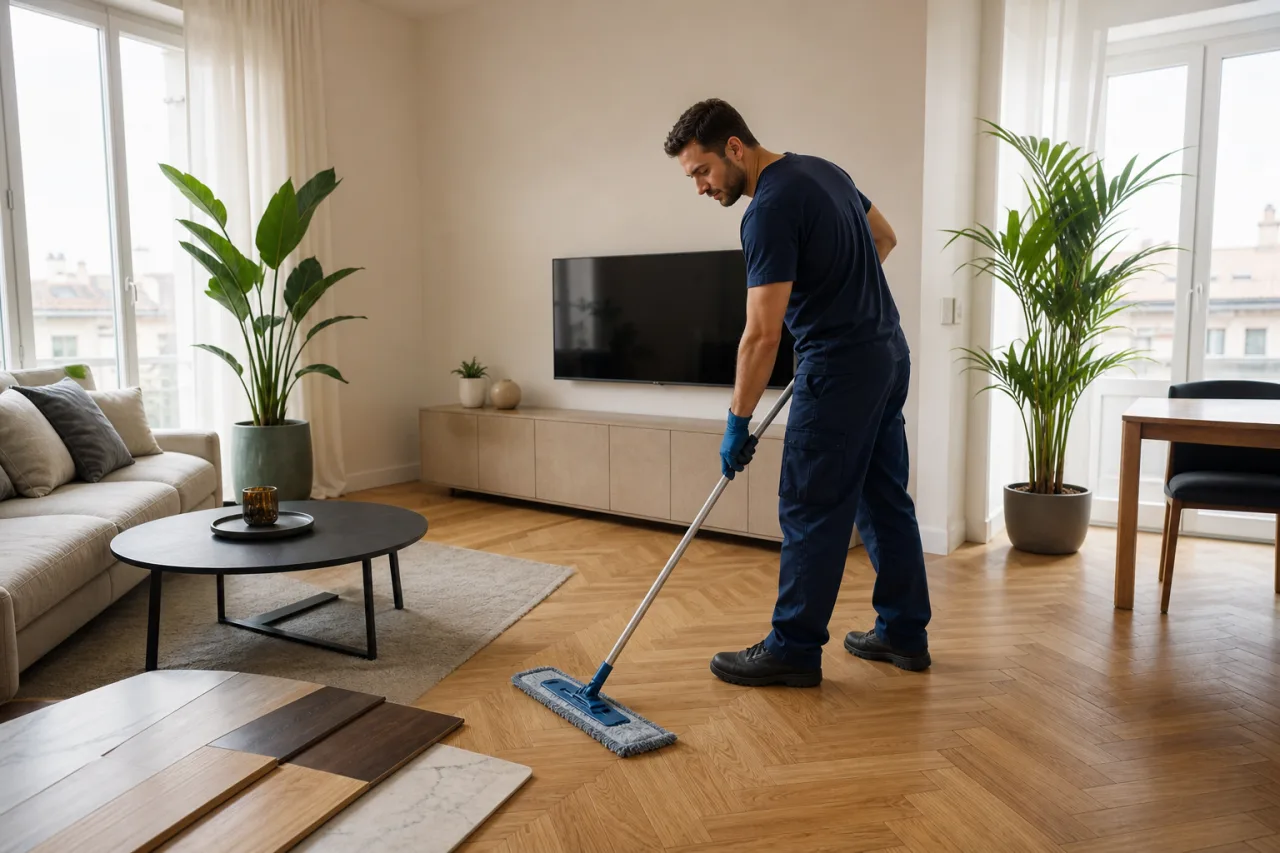
Floor treatment in Milan is needed when parquet or natural surfaces lose protection, start to absorb stains or look dull. Choosing between oil, wax and varnish depends on the material, how the room is used and the finish you want. For wood floors, consider a protective parquet treatment performed by a professional.
When to treat your floors in Milan
At home, timing isn’t set by the calendar alone. Watch the surface: if water soaks in, rings appear or the wood feels dry, the protective layer is worn.
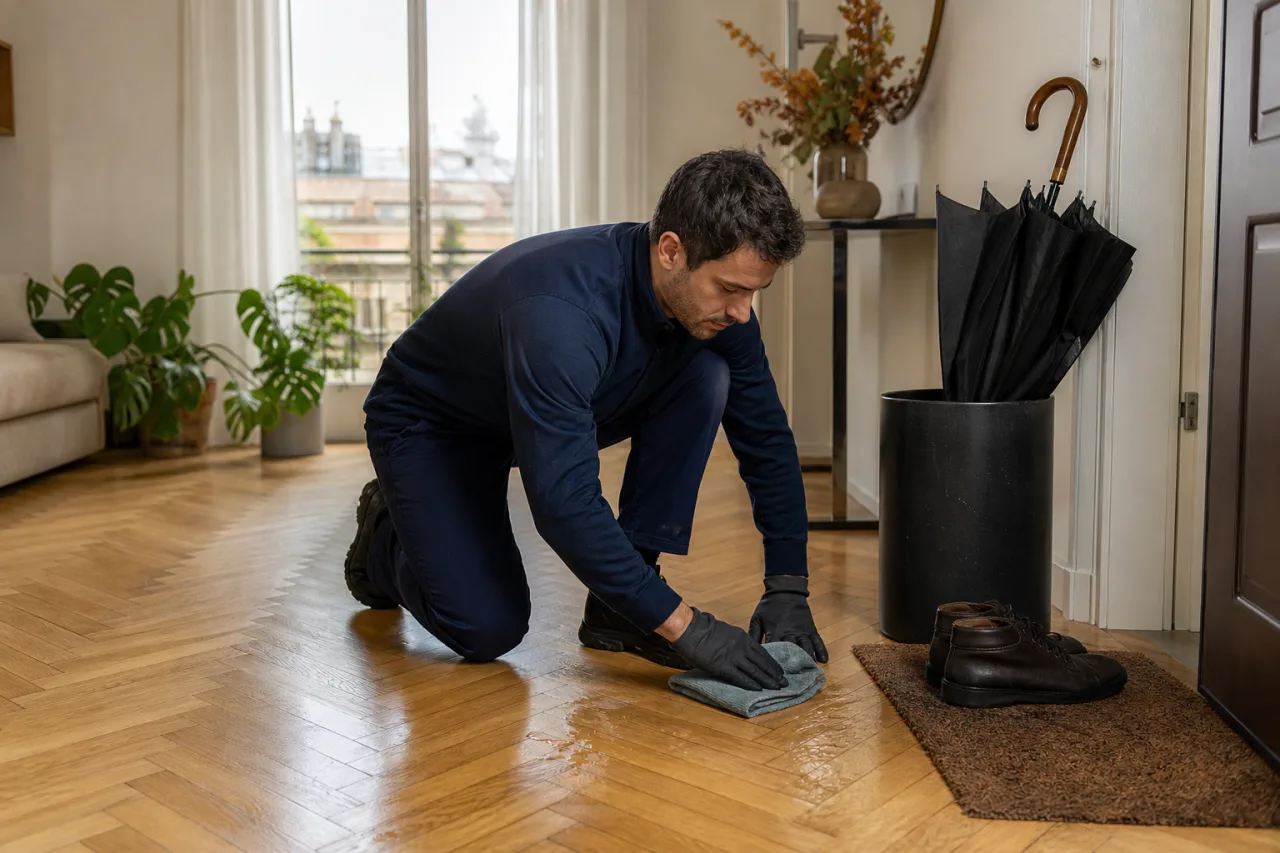
In Milan, central heating in winter, dry indoor air in apartments and street dirt brought in from outside also matter. Often it’s best to get a professional surface cleaning first, to avoid sealing in dust and residues.
Oil, wax and varnish: practical differences
Oil: soaks into the wood, enhancing grain and a natural look. It needs more frequent maintenance but allows local spot repairs.
Wax: gives a warm, satin finish. It’s suited to rooms with lighter use and must be renewed when it thins.
Varnish: forms a protective film that’s more resistant to scratches and stains. It’s practical in living rooms and hallways, but when damaged it may require larger repairs.
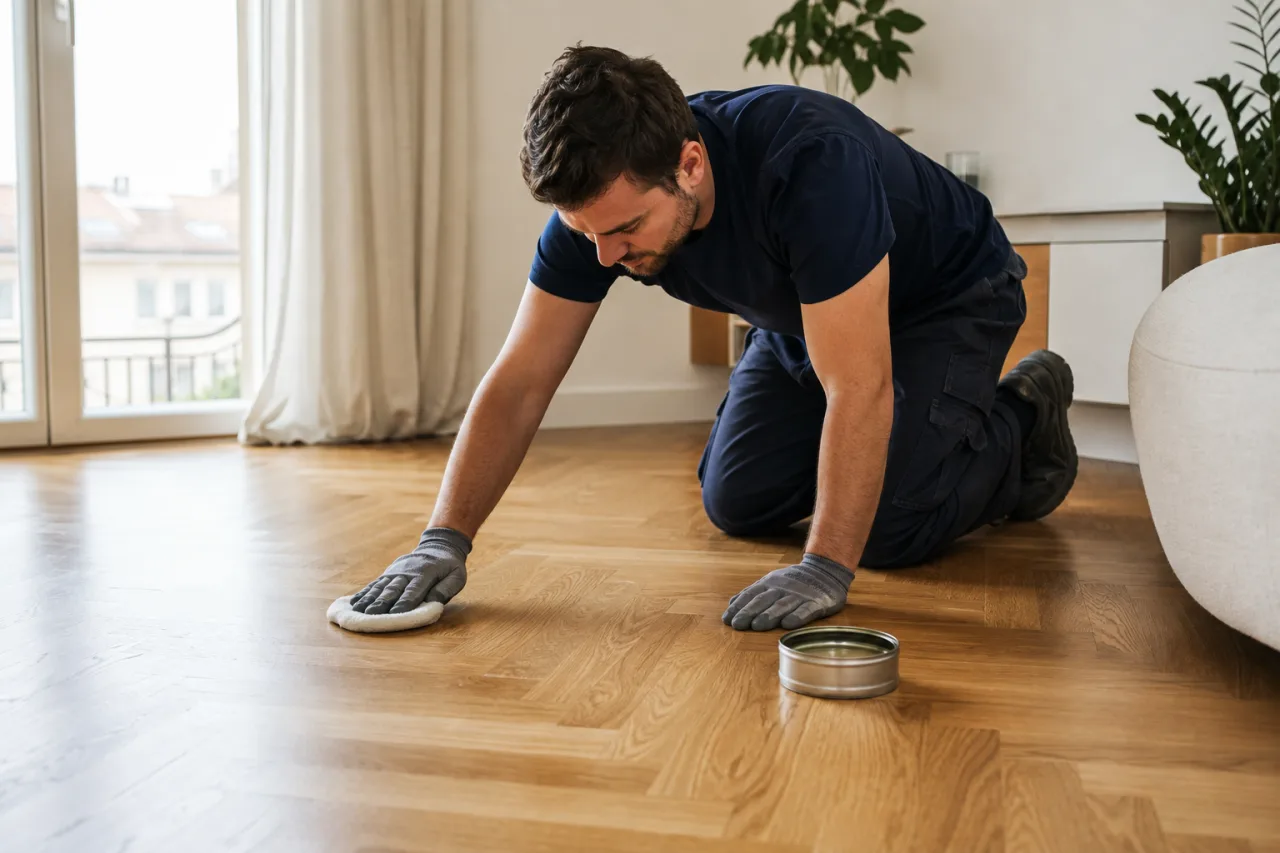
Check the parquet before applying protection
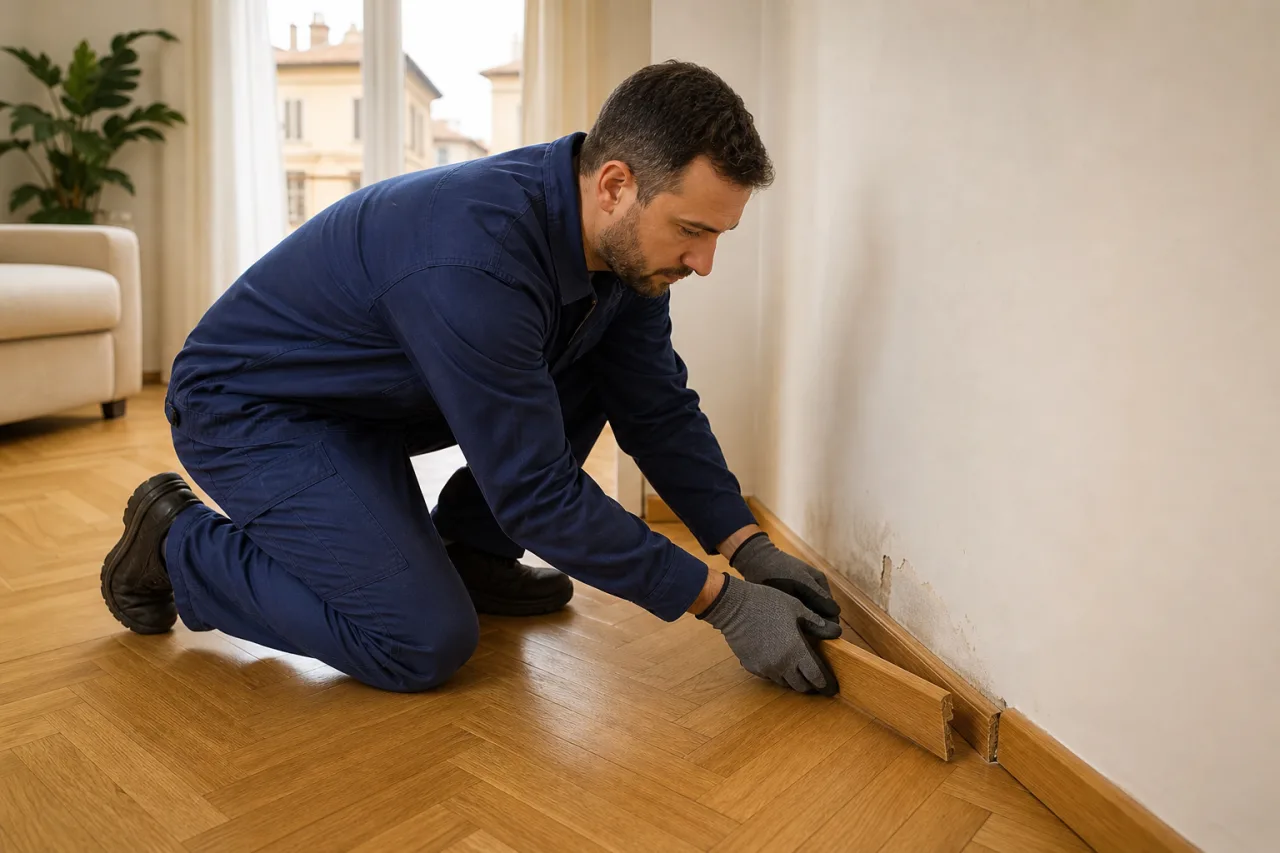
If the parquet has deep scratches, raised boards or old uneven finishes, just applying a protective coat isn’t enough. In these situations a parquet sanding may be needed before the new finish.
If the issue is mainly loss of shine, consider a professional polishing. To understand the difference, see the guide on when to polish or sand parquet.
How to choose the right finish
- Home with children or pets: choose finishes that are durable and easy to clean.
- Bedroom or study: oil or wax emphasise a more natural effect.
- Entrance and corridor: need stronger protection against wear and dirt.
- Historic parquet: avoid aggressive DIY and have compatibility and thickness evaluated.
For other materials, from stone to porcelain, also read the guide to floor cleaning in Milan by material.
Frequently asked questions
How often should parquet be treated?
It depends on use, finish and daily cleaning. High-traffic areas should be checked more often. If the floor soaks up liquids or becomes dull, it’s time to have it assessed.
Is oil or varnish better for parquet?
Oil gives a natural, locally repairable result. Varnish offers stronger everyday wear protection. The choice depends on the room, traffic and the aesthetic you want.
Is wax suitable for all floors?
No. Wax works only on certain compatible and well-prepared surfaces. On non-porous or poorly treated materials it can cause rings, slipperiness or build-up that’s hard to remove.
Do I need to leave the house after treatment?
Not always, but some finishes require drying time and ventilation. The professional will tell you when it’s safe to walk on the floor and when to return furniture and rugs.
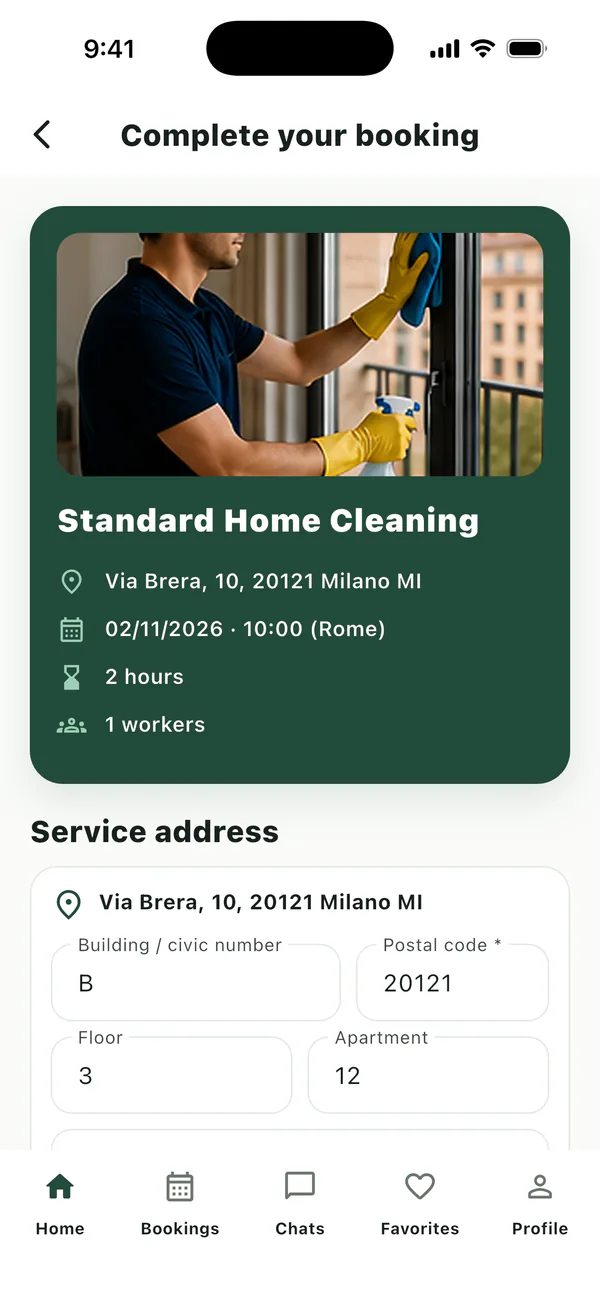
Book via the Cura24h app and find a professional to protect your parquet and home floors. App Store · Google Play
Flooring & Parquet
Installation, sanding, polishing and repair of parquet, laminate, SPC and PVC.