Rodent control for condominiums: mice in the basement
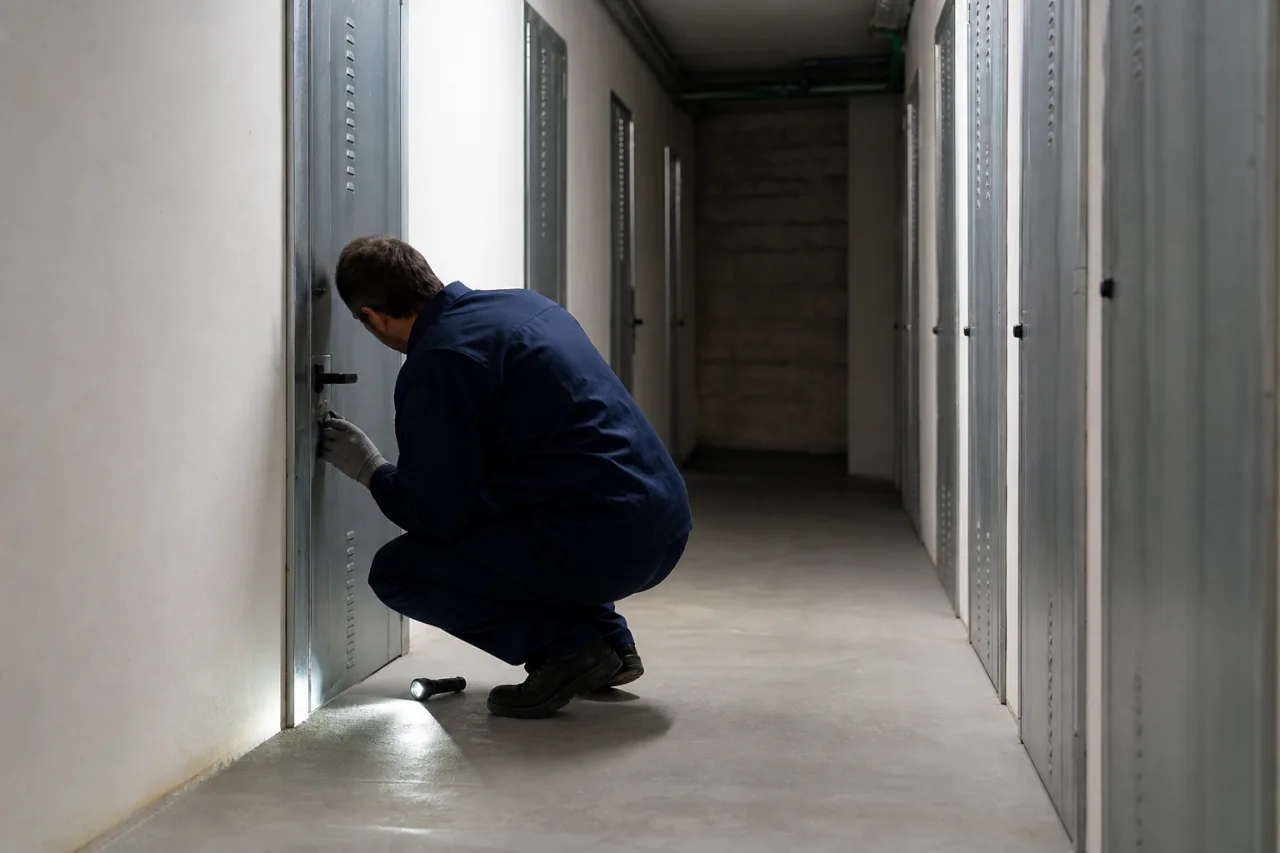
If you spot mice in the basement, garage or courtyard, condominium rodent control should be handled quickly and in a coordinated way. Before acting, gather evidence, inform the building manager and consider a professional rodent control service, especially when shared areas are affected.
Signs of mice in the basement or shared areas
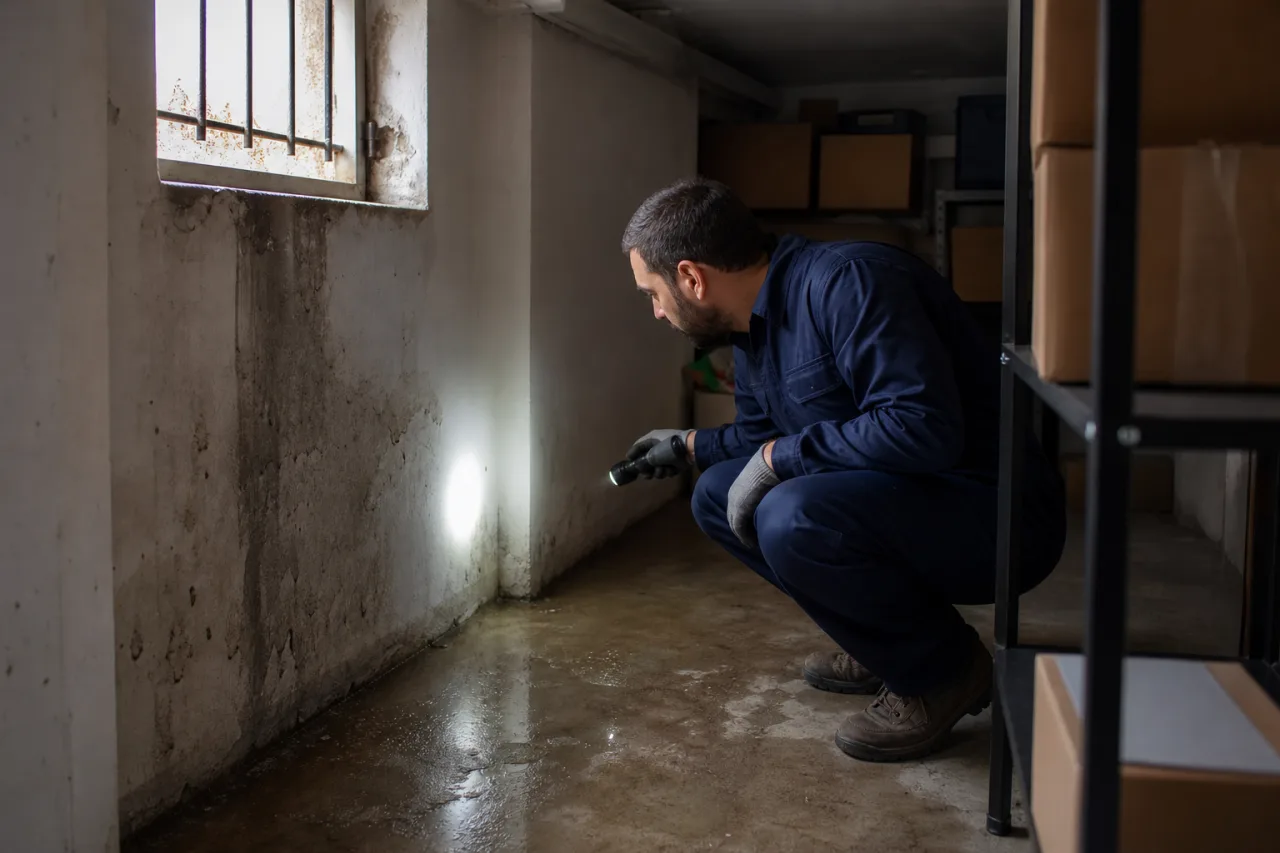
Mice leave reasonably recognisable signs. Check basements, waste rooms, underground corridors, garages and service cavities.
- small dark droppings near walls, boxes or pipes;
- scratching or chewing noises, often in the evening;
- damaged packaging, sacks or cables;
- a sharp smell in closed, poorly ventilated spaces;
- prints in dust or clear runs along skirting boards.
Avoid moving baits or makeshift traps yourself: this can complicate professional treatment.
Rodent control in the condominium: who to notify and what to ask
If the signs appear in a common area, write to the building manager right away. Give the exact location, date, photos and how often you’ve seen activity. This helps decide whether an inspection or a broader treatment is needed.
Ask that waste rooms, courtyards, technical rooms and access points are checked. In Milan, condominiums with historic cellars or internal courtyards—together with cracks and old pipework—can make it easier for rodents to get in.
If other pests appear along with mice, a full pest control service for flats and condominiums may be useful.
Prevention: what you can do right away
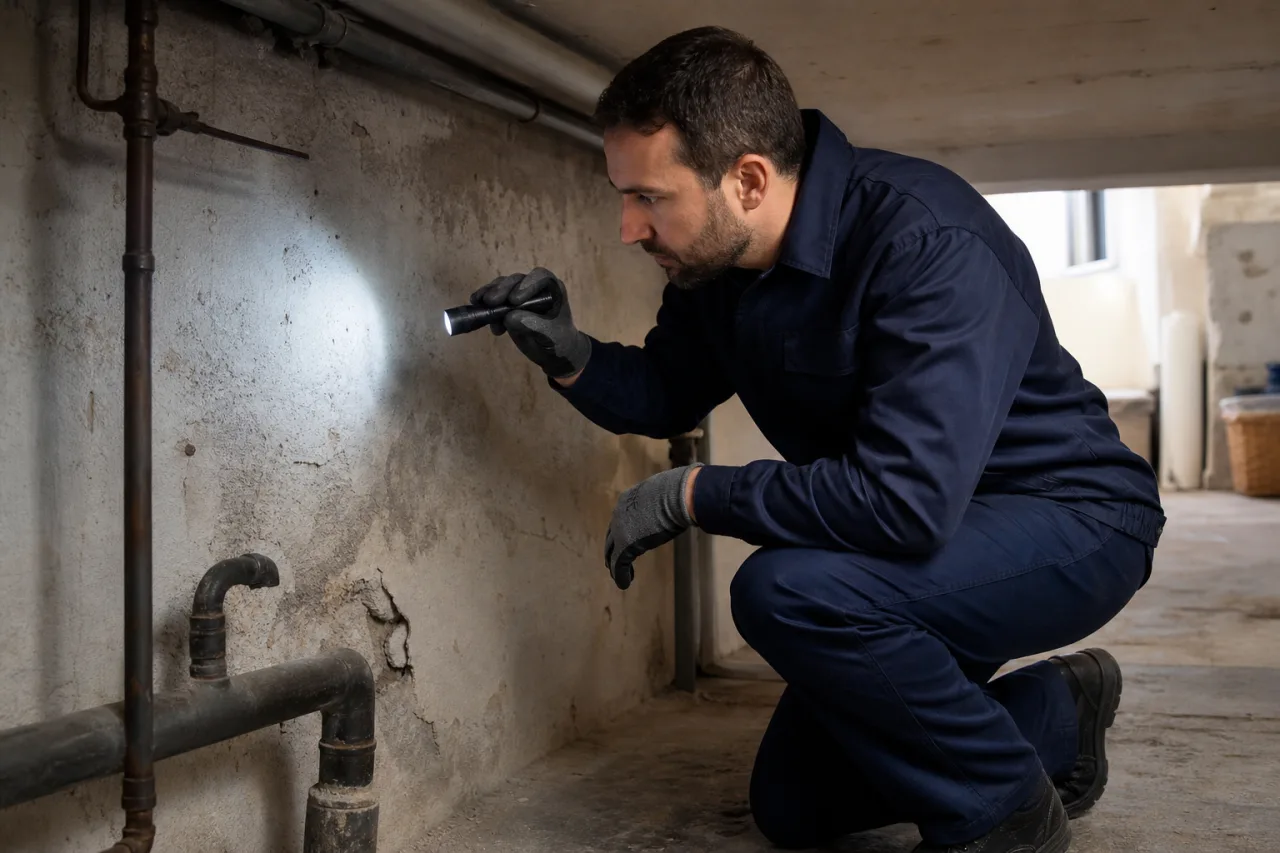
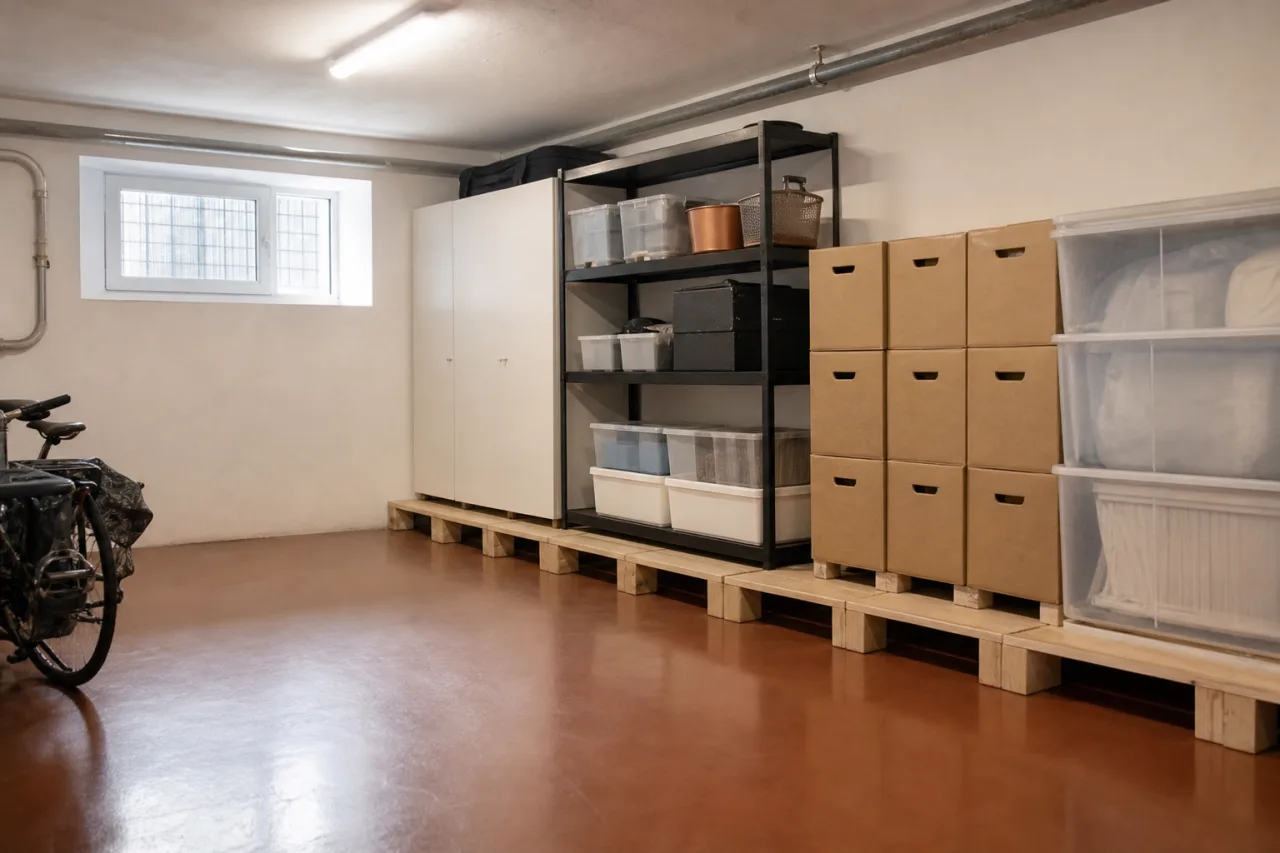
Prevention reduces the chance of recurrence. In the basement don’t leave food, animal feed or open sacks. Use rigid containers with lids and keep boxes off the floor.
- seal gaps and passages around pipes and doors;
- keep the waste room clean;
- don’t accumulate unused materials in common corridors;
- report leaks, standing water and unpleasant drain odours.
When the problem starts from pipes or drains, it can also help to know what to do with a blocked drain.
After the intervention: cleaning and monitoring
After rodent control do not remove devices or bait stations unless told to by the technician. Air the treated areas, check them regularly and report any new signs to the building manager.
If droppings or contaminated materials were found, avoid DIY cleanup without protective equipment. To restore basements and shared areas you can combine the work with a professional thorough cleaning service.
Frequently asked questions
Who pays for rodent control in a condominium?
Usually, if the problem affects common areas like basements, courtyards or waste rooms, the building manager organises the work and costs are covered by condominium expenses. If it originates in a private area, it must be assessed case by case.
Can I put mouse poison in the basement?
It's better to avoid DIY poisons in common areas. Poorly placed baits can be dangerous and make control harder. Report the problem and let a professional handle it.
How long does it take to solve a mice infestation?
It depends on access points, food availability and the infestation size. A proper treatment includes identifying entry routes, treatment and monitoring. That's why it's important to act as soon as you see the first signs.
When should I notify the building manager?
Notify them immediately if you find droppings, damage or sightings in common spaces. Send photos and precise location. The more information you provide, the easier it is to organise a targeted intervention.
Book a rodent control service in Milan via the Cura24h app: available on App Store and Google Play. App Store · Google Play
Pest Control
Treatments against cockroaches, ants, bed bugs, mosquitoes, rodents and wasps.